Biohazard Cleanup
Cleanup removes infectious material, including blood and body fluids, and disinfects the property.
See biohazard cleanupDo not let people enter a space made unsafe by bodily fluids, blood, sewage or another biological hazard. Ask for clear guidance without delay. If law enforcement or other authorities are involved, the affected area must be released before cleanup starts.
Emergency biohazard cleanup urgently controls and removes biological contamination, then cleans and disinfects the affected space. It applies to human waste, blood, bodily fluids and other material that could cause illness or injury through exposure.
Emergency cleanup may be necessary after an unattended death or crime scene, as well as a trauma, accident, sewage backup or substantial blood spill. The initial priority is stopping biological contamination from spreading beyond the affected space. Technicians locate the impact, establish isolation and organize a safe order for each cleanup task.
Ordinary cleaning removes visible dirt. Biohazard remediation goes further. It includes protective equipment, careful removal of contaminated materials, surface cleaning, use of an EPA-registered disinfectant for its full label contact time, hazardous waste packaging, odor removal and a final inspection. The goal is a clean space that can move toward normal use again.
Unmarked vehicles are used by cleanup crews. The affected space may be screened from visitors, nearby residents and other areas that remain unaffected.
You can use images, project details and waste documentation to describe biohazard remediation to your property manager or insurance company.
You can explain the situation day or night and get immediate safety instructions while access, scene release and cleanup needs are assessed.
You hear what will be cleaned, what may need removal and what affects cost before the cleanup process moves forward.
You may need emergency biohazard cleaning if biological material poses a serious health danger or may move into other parts of a house, workplace or vehicle. These are common examples:
An accident, suicide or violent event may leave bodily fluids and damaged materials across one or more affected areas.
Sewage backup water is classified as Category 3 black water. Contents, floors and walls might require removal, drying or cleaning.
On walls, furniture or flooring, blood may soak into porous layers and joints. Stay out of the spill and keep other people at a distance.
When a death is discovered later, cleanup may involve removing fluids, treating odor and cautiously sorting belongings close by.
Your immediate priority is limiting contact and stopping contamination from moving. As you make professional cleanup arrangements, take the following steps:
Call (888) 351-0904Published guides do not list a separate range for emergency work. General biohazard cleanup guides list a typical national range of $3,000 to $5,000. The residential average range is $1,800 to $4,500 and most residential projects range from $2,500 to $8,000. Fixr also publishes a full span of $1,500 to $25,000. Urgency is one factor that can change the final price.
These national ranges are taken from published cost guides, rather than a property visit. An on-site assessment determines your property's price, which is explained to you before the cleanup starts.
Ask about cost: (888) 351-0904Some commercial, renters and homeowners insurance may cover cleanup of a biohazard caused by a covered sudden event. Any coverage will depend on the cause and on the policy's limits, deductible and terms.
Report the situation and ask the insurance company whether the claim applies to cleanup, removing materials, treating odor and restoring the space afterward.
A tenant should notify the landlord or property manager. Who is responsible may vary with the contamination location, its cause, the lease and applicable policy.
Save your scene release, claim identifier, photographs, work scope, bills and documentation for waste. Ask what documentation the adjuster requires before work changes the scene.
Victims of violent crime can ask the Florida Attorney General's Bureau of Victim Compensation about cleanup, since its rules count crime scene cleanup costs as a compensable loss. Insurance is usually checked first.
The emergency response follows a controlled order so contaminated material does not move into clean areas. Every situation is different, but the cleanup process usually includes these steps:
The affected area is assessed by cleanup technicians, who identify the contaminant and note materials, access constraints and immediate hazards.
The work zone is separated from clean rooms. The exposure risk and required work determine which protective gear and clothing are used.
Collection methods keep affected debris and liquids from moving into clean areas. Items that cannot be thoroughly cleaned are carefully removed section by section.
Disinfection follows the removal of visible soil. Removing debris allows disinfectant to contact the actual surface rather than rest on material above it.
Surfaces suitable for cleaning stay wet with an EPA-registered disinfectant for all of the contact time listed on its label.
Sharps and contaminated materials receive secure containment, then move as required by medical or regulated waste standards.
After the source is removed, air scrubbers and other suitable treatments can address particles and odor in the room and nearby air paths.
A final check looks for contamination left in the work space. Property owners and insurance companies can receive clearer work details through images, scope documentation and records for disposed waste.
Phone any hour. An emergency 24/7 biohazard cleanup specialist answers, explains the steps and agrees a start time with you.
Blood, sharps, sewage and body fluids may pose a serious danger to health. A dry appearance or small affected space does not remove that risk.
Viruses that blood may carry include hepatitis C, HIV and hepatitis B. The CDC reports that hepatitis B can survive for at least seven days on surfaces, which means dried blood continues to require care.
Fluid can seep below trim and penetrate absorbent materials such as carpeting, underlay, drywall, furniture or subflooring. Wiping the visible surface may leave contamination behind.
You may feel upset by a sudden biohazard, especially after someone dies or a traumatic event occurs. You may avoid the scene by having a trusted person arrange entry for others.
Can you clean it yourself? A few drops of fresh blood on a hard, non-porous surface may be cleaned with disposable gloves and an EPA-registered disinfectant used for the full label contact time. Professional cleanup is appropriate when sharps are present, absorbent material was reached, the source is uncertain or the full edge of the spill is not visible.
If a surface is accessible and allows full cleaning and disinfection, it can be kept. A porous item must be removed once contamination has soaked past the point where cleaning will work.
For jobs where blood contact is possible, workplace training, protective equipment, exposure safeguards and related methods are governed by the OSHA Bloodborne Pathogens Standard.
A disinfectant must be suitable for the target pathogen and surface. Keep the treated area wet throughout the product label's stated contact time.
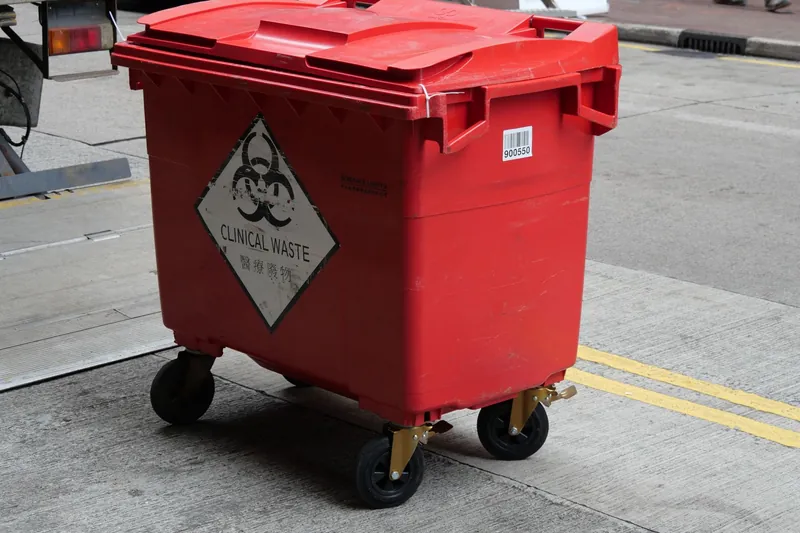
Florida calls it biomedical waste, and the term covers absorbent materials saturated with blood or body fluids. The Florida Department of Health's rules control packing, transport and treatment, so it cannot go in household trash.
Florida uses district medical examiners, with the Medical Examiners Commission under the Florida Department of Law Enforcement overseeing them. Cleanup starts after police or the medical examiner release the scene.
A fixed completion time cannot be given for this cleanup. Timing depends on what contaminated the space, how many areas it reached and the affected materials. The schedule also reflects whether fluid entered concealed layers and when the scene becomes released.
The full emergency 24/7 biohazard cleanup guide covers what is cleaned or removed, odor and air quality work, and the rules that apply in Florida.
Read the full emergency 24/7 biohazard cleanup guideLocal housing, population and access details can shape containment, access and cleanup planning.
Rental housing represents 14.7% of households here, so cleanup information should still explain when a landlord must approve structural work.
The local median home dates to 2016, and modern ventilation can carry odor beyond the room where an incident occurred.
About 97 older residents live alone in Wimauma, equal to 9.7% of seniors and still relevant to welfare planning.
A single-family share of 92.7% makes private entrances useful for discreet equipment movement during a sensitive cleanup.
During your call, ask whether cleanup is available in surrounding communities and ZIP codes.
Cleanup removes infectious material, including blood and body fluids, and disinfects the property.
See biohazard cleanup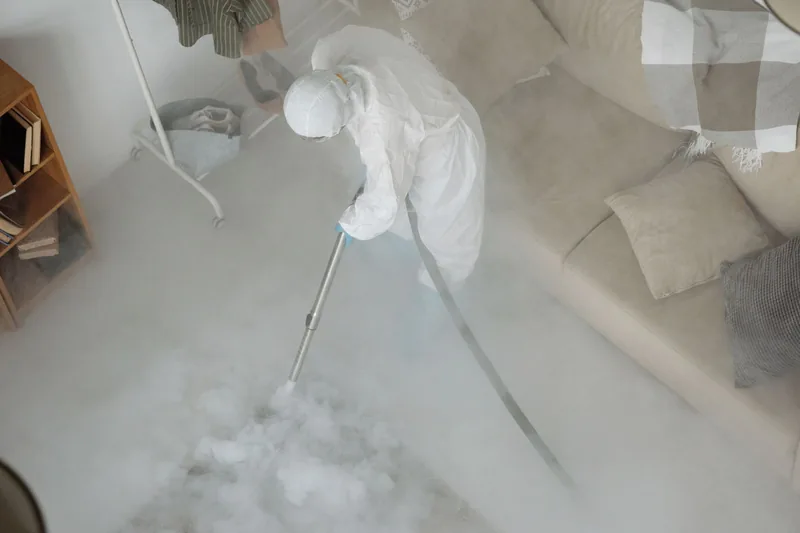
Complete decontamination treats the room, its surfaces and the air after a hazardous or infectious exposure.
See biohazard decontamination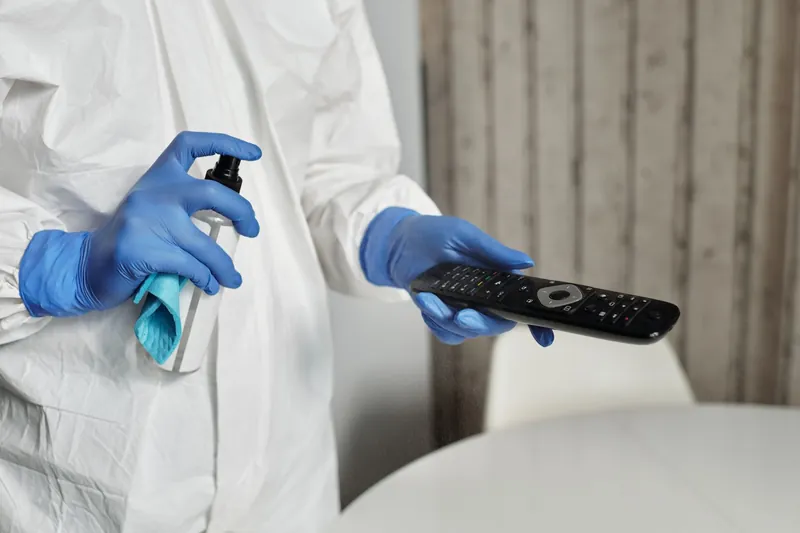
Biological remediation removes contamination so the space can be safely used again.
See biohazard remediation
Blood cleanup clears blood from furniture, walls, hard floors and carpet, followed by safe disposal.
See blood cleanup
Trauma scene cleanup is needed after violent events, accidents and injuries.
See trauma scene cleanup
After the property is released by police, crime scene cleaning removes blood and controls odor.
See crime scene cleanup
When a death remains undiscovered for days, cleanup addresses decomposition and controls odors.
See unattended death cleanup
Disinfection and drying follow sewage cleanup of Category 3 black water from raw sewage.
See raw sewage cleanupUrgent disinfection and cleaning after a property is affected by sewage, human waste, blood, bodily fluids or other biological contamination is emergency biohazard cleanup. The work includes containment, removal of materials that cannot be cleaned, disinfection, waste disposal and odor treatment. Cleanup waits until police or the responsible officials release the controlled scene.
No separate emergency price range appears in published guides. Biohazard cost guides show $3,000 to $5,000 as a typical national range, while $1,800 to $4,500 is the residential average range. The contamination type, affected area, porous materials, waste disposal and urgency can all change the final price.
With gloves and an appropriate EPA-registered disinfectant left for the complete contact time, you may be able to clean a few drops of your blood from a non-porous hard surface. Do not attempt cleanup when the source is unknown, sharps are present, porous materials are affected or the spill boundary is unclear.
Keep clear of the spill, prevent access and use 911 if someone needs medical help. Leave blood and sharps untouched, await law enforcement release of a controlled scene, report occupational exposure properly and schedule cleanup. Avoid crossing the affected area or trying to clean it with household methods.
Coverage may apply. Coverage depends on the cause of the event, the policy language, exclusions, limits and deductible. Check with the insurance company about biohazard cleanup, removal of affected materials, odor treatment and restoration. Retain your claim number along with photos, official release, project details, invoices and disposal records.
Yes, if the biohazard scene is the source of the odor. Source removal comes first because fragrance alone only masks the problem. Remaining smells can receive air treatment once contaminated materials are cleaned or taken out. Nearby spaces and HVAC vents may also be inspected to find air routes affected by the scene.
Respectful, discreet emergency 24/7 biohazard cleanup is available 24 hours a day, and crews arrive in unmarked vehicles.