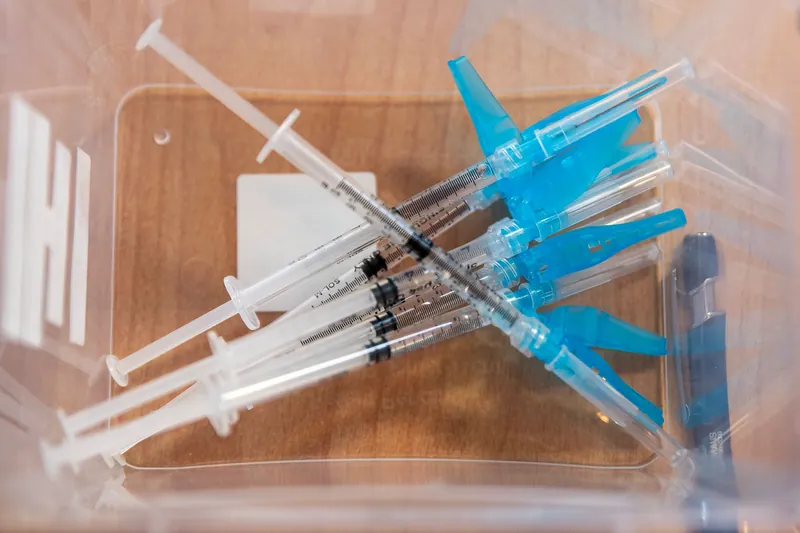
Needle and Sharps Cleanup
Cleanup removes sharps and needles from parks, rental sites, yards and encampments.
See needle and sharps cleanupGet needles, pipes, baggies and unknown residue removed from a home, rental, workplace, vehicle or outdoor area in Downtown River Arts. Keep people and pets away, and do not touch sharps or powder.
Drug paraphernalia cleanup is the careful collection of needles, syringes, pipes, foil, baggies and other drug debris, followed by cleaning of residue and any related biological contamination in the affected area.
Properties served may include homes, hotels, apartments, workplaces, rental units, outdoor spaces and vehicles. Technicians begin with items in view, then inspect hiding places such as vents, floor edges, furniture, bedding, drawers and nearby gaps. A rigid sharps container receives every needle immediately. Packaging for other hazardous material depends on its condition and the waste rules that apply.
This service can fit loose paraphernalia and small areas of surface residue, but it does not cover meth lab cleanup. Chemical smells, marked containers, unfamiliar glassware, cylinders under pressure or other production evidence change the required response. Do not go inside or touch anything when a drug lab may be present. Before cleaning begins, follow all directions given by law enforcement or your local fire department.
Before you move forward, you learn which spaces need searching, which materials may be removed, what can be cleaned and what affects cost.
Crews arrive in unmarked vehicles and work with discretion around a workplace, rental, business or home while clearing the affected areas.
Personal items receive a cautious search for hidden sharps, with keepable property isolated from contaminated materials when possible.
Photos, the work scope and available waste records create a clear account for property owners, managers, insurance companies and other responsible parties.
You may need drug paraphernalia removal if discarded debris or remaining residue could expose cleaners, repair workers or anyone coming onto the property. Typical situations include:
Sharp items or residue in grounds, restrooms, break areas and storage rooms should not be collected by regular staff.
Before staff safely ready a guest room for another use, a careful search, hidden-sharps removal and cleaning may be needed.
Powder, sharp objects or smoking supplies discovered in a vehicle, bathroom, bedroom or garage may leave a family needing help with the affected area.
A search of each room and surrounding areas before repairs may uncover items hidden below furniture, around baseboards or in drawers.
Your first job is to prevent contact. Leave the items where they are unless an immediate danger makes that impossible, then take these steps:
Call (888) 351-0904There is no credible public cost guide with a specific range for drug paraphernalia cleanup. For context only, published general biohazard cleanup guides list $3,000 to $5,000 as a typical national range, $1,800 to $4,500 as a residential average range, $2,500 to $8,000 for many residential projects and $1,500 to $25,000 as a full published span. A small sharps collection can differ greatly from a multi-room cleanup with residue, so the affected area must be assessed before the actual price is known.
These ranges come from published national cost guides, not from a site visit. You learn what your property will cost after the on-site assessment and before any work begins.
Ask about cost: (888) 351-0904Coverage depends on the policy, the cause of the contamination and who is responsible for the property. Ask the insurance company about biohazard cleanup before assuming the work is covered.
Your file should include safe-distance images, the cleanup scope, disposal paperwork and invoices. The records can show the discovered conditions and the cleaning that took place.
A homeowners or renters policy may treat contamination differently depending on how it happened. Report the condition, describe the affected area and ask what records are required.
Homeowners or renters insurance, the estate or the property owner usually pays for this kind of cleanup. The Florida crime victim compensation program helps only when a crime caused the loss. Check directly with the program about eligibility for your particular incident and cleaning expense before expecting repayment.
A property owner or manager often arranges cleanup in a rental or common area, then addresses tenant responsibility under the lease and local rules.
Cleanup begins with controlling access, then continues through a detailed search, collection, surface treatment and a closing inspection. The steps are adapted to the materials discovered and the type of property.
Before work starts, cleanup technicians identify the affected areas, exposed sharps, porous surfaces, possible residue and spaces needing a thorough search.
Protective gear must match possible needle punctures, unidentified residue and related biological hazards, with the space kept restricted.
Visible needles are lifted with suitable tools and placed directly into a puncture-resistant sharps container without bending or recapping.
A systematic search covers each room and surrounding areas, with attention to vents, bedding, furniture, drawers, floor edges and similar hiding spots.
A process appropriate for the residue is used on hard surfaces, while biological hazards receive an EPA-registered disinfectant for its labeled contact time.
Porous materials that cannot be cleaned completely are recorded and isolated in packaging that limits movement of residue or sharps during removal.
Sharps and other hazardous waste are kept in suitable containers and directed to an authorized disposal route under the applicable rules.
After cleaning, workers inspect treated surfaces and check the area once more for missed items before creating owner records or photos.
Call at any time. Your drug paraphernalia cleanup specialist answers the phone, describes what happens next and works with you on a start time.
Hidden items and substances with unknown contents make used syringes, contaminated material, glass fragments and unidentified residue serious health hazards.
An abandoned needle may hold blood and can pierce your skin. Even when an item appears old, use care because the CDC reports that hepatitis B survives on surfaces for at least seven days.
Bags, bedding, drains, clothing, boxes, upholstered items and accumulated belongings can hide needles. An injury can occur if you reach inside without a clear view to the bottom.
Never place contaminated waste or unsecured sharps in regular bags or recycling containers. Packaging, transport and waste disposal depend on the material and the rules that apply in the state.
Can you clean it yourself? Never approach unidentified powder as you would normal household dust. Keep others back from a single discarded needle, then follow community sharps disposal guidance from your local public health authority. Professional cleanup lowers the risk of needle injury or spreading contamination when you face multiple items, bodily fluids, residue or concealed sharps.
Safely collectible debris is taken away, and hard surfaces that can be cleaned receive treatment. Porous items are assessed for residue, puncture risk and the possibility of complete cleaning.
As set by OSHA Bloodborne Pathogens Standard 29 CFR 1910.1030, workers who might encounter blood need training, exposure controls and protective equipment.
When biological contamination is present, the disinfectant should be EPA-registered for the target organism and remain wet for the full contact time on its label.
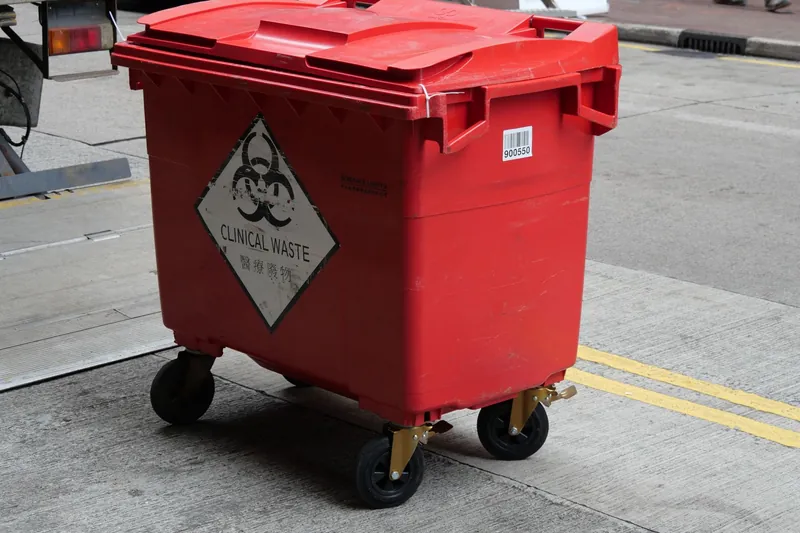
Florida calls it biomedical waste, and the term covers absorbent materials saturated with blood or body fluids. The Florida Department of Health's rules control packing, transport and treatment, so it cannot go in household trash. Because ordinary debris, unidentified chemicals and sharps may follow separate disposal paths, identify each material before moving it.
Local health and building rules can affect how a contaminated room is cleaned and when it can be used again, so mention any notice you have received from the city or county. When you suspect ongoing drug production or believe an item could be evidence, wait for authorization to clean before moving anything.
How long cleanup lasts depends on the volume present, how far items have scattered and the need for detailed work around residue or concealed needles. Removing an obvious group requires less time than inspecting the full property and taking out porous material.
The full drug paraphernalia cleanup guide covers what is cleaned or removed, odor and air quality work, and the rules that apply in Florida and Hillsborough County.
Read the full drug paraphernalia cleanup guideLocal population patterns, housing and site access may affect how containment and cleanup are planned.
A listed distance of 0.3 miles to Tampa General Hospital gives a practical medical reference when someone has contacted blood or waste.
With West Riverfront, Hyde Park Spanishtown Creek, and Channel District close by, accurate street and unit details help avoid confusion during a sensitive response.
A neighborhood address can differ from its broader city label, making the full street and unit information important for discreet cleanup access.
Ask on the call about cleanup options for neighboring communities and ZIP codes.
Cleanup removes sharps and needles from parks, rental sites, yards and encampments.
See needle and sharps cleanup
Fentanyl decontamination of surfaces, vehicles and rooms after exposure.
See fentanyl decontamination
Cleanup of a meth lab covers residue testing and decontamination before the clearance process.
See meth lab cleanup
After exposure to infectious or hazardous material, the air, room and surfaces are fully decontaminated.
See biohazard decontamination
Sealed containers with labels hold biohazard waste during collection and disposal.
See biohazard waste disposal
Medical waste removal covers disposal through an approved facility used for treatment.
See medical waste removal
Biohazard cleanup addresses Airbnb accommodations, hotels and other rental units.
See hotel, airbnb and rental biohazard cleanup
Cleanup after tenants move out or are evicted addresses filth, fluids and discarded waste.
See eviction and tenant move-out biohazard cleanupWorkers inspect for baggies, pipes, sharps, foil and related waste, place findings in suitable containers, clean affected solid surfaces and evaluate porous belongings. If bodily fluids are present, the work also includes biohazard cleaning with the right protective equipment and an EPA-registered disinfectant used for its full label contact time.
Remain outside the controlled area until workers finish gathering sharps and residue. You may be able to remain elsewhere on the property if the affected area can be isolated and no chemical hazard is suspected. Use the guidance supplied following the site assessment, and do not allow children or pets back before the area has been cleared.
Keep the area clear of children, pets and bystanders. Do not touch, bend, break or recap the needle. Never drop the needle unsecured into any bag. Use local public health instructions for one community needle, but seek professional cleanup for multiple sharps, concealed objects, residue, bodily fluids or an extensive search area.
Workers can systematically examine carpet, furnishings, drawers, vents, bedding, waste and floor edges where sharps may be hidden. You should not interpret any inspection as certainty that all tiny objects have been located. Good lighting, suitable tools, puncture precautions and a second inspection reduce the chance that dangerous items are left behind.
No. The scope for paraphernalia includes discarded materials, sharp objects and small amounts of residue. Chemical contamination may extend throughout a suspected meth lab property, along with fumes and materials capable of reacting. If you see unusual chemical containers, stained equipment, pressurized cylinders or signs of production, leave the property and contact law enforcement or the fire department for guidance.
It depends on the policy, the cause and who controls the property. Speak with the insurance company about coverage for biohazard cleanup, residue from drugs and property that has been contaminated. Save the work scope and bills together with available waste records and pictures taken from a safe location. Who pays in the end may depend on policy exclusions, deductibles or a tenant's responsibility.
Crews carry out respectful, discreet drug paraphernalia cleanup, arrive in unmarked vehicles and take calls 24 hours a day.